Walk into any electronics shop, or open any shopping app, and the sheer volume of tech gadgets is paralysing. Earbuds come in forty models. Smartwatches promise to track everything from sleep to stress. There are speakers, chargers, cameras, fitness bands, tablets, and a dozen accessories you did not know existed. Reviews contradict each other, spec sheets read like exam papers, and every product page insists its version is the best one.
This beginner guide to tech gadgets cuts through that noise. It is not a list of everything worth owning. It is a filter. Once you understand what each category of gadget actually does for you, and which three questions to ask before spending money, the decision gets much simpler. You stop buying things because they look impressive and start buying things you will still use in two years.
What counts as a tech gadget, and which categories matter first
A tech gadget is simply a small electronic device designed for a specific everyday job. That definition matters because it separates gadgets from appliances. A washing machine is an appliance. A pair of wireless earbuds is a gadget. The distinction is useful because gadgets are usually optional. You can live without almost all of them, which means every purchase should earn its place.
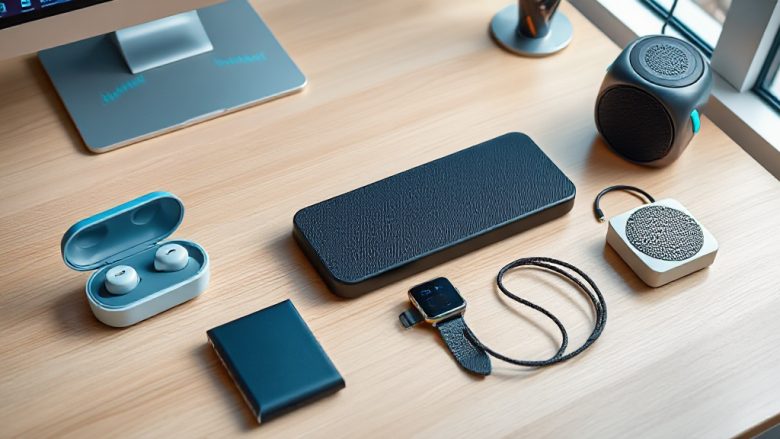
For a beginner, most gadgets fall into a handful of broad groups. There are audio gadgets, which cover headphones, earbuds and portable speakers. There are wearables, meaning smartwatches and fitness trackers. There are power and charging gadgets, from power banks to charging cables and docks. There are smart home devices, such as plugs, bulbs and cameras. Then there are input and productivity gadgets, like keyboards, mice and styluses. Finally, there is a large catch-all group of niche devices: e-readers, action cameras, handheld consoles, and whatever new category launches next month.
The trap for beginners is treating all these groups as equally urgent. They are not. Some categories solve problems you already have every day. Others solve problems you might have someday, which is a very different thing. The first purchases that age well are almost always the ones tied to a daily routine: listening, charging, and moving.
Audio gadgets: the safest first purchase
Audio is where most people should start, because almost everyone listens to something daily. Music, podcasts, calls, videos, audiobooks. Good earbuds or headphones get used constantly, which means the cost per use drops fast. A cheap pair that sounds thin and drops connection every ten minutes will frustrate you within a week. A solid mid-range pair can last three or four years with basic care.
You do not need flagship models. What you need is a comfortable fit, stable wireless connection, and battery life that covers your typical day. If you take calls often, check how you sound to other people, not just how they sound to you. That single detail separates usable earbuds from annoying ones.
Wearables: useful, but only if you will actually wear them
Smartwatches and fitness trackers are genuinely helpful for some people and expensive jewellery for others. The deciding factor is not the spec sheet. It is whether you will keep it on your wrist. A tracker only works if it is charged and worn, and that requires a habit.
If you already check your phone constantly for messages and step counts, a watch can reduce that habit by putting key information on your wrist. If you dislike wearing anything on your arm, no amount of health tracking features will change that. Be honest with yourself before buying.
Power and charging: boring, essential, easy to get wrong
Charging gadgets are the least exciting category and the one beginners most often buy badly. A power bank with the wrong output will charge your phone painfully slowly. A cable that looks identical to another may not support fast charging at all. This is a category where reading the fine print actually pays off, because the differences are real and measurable.
Start with one reliable power bank sized for a full phone charge or two, and a couple of good cables. That is enough for most people. Multi-port chargers and travel adapters can wait until you know your own patterns.
Three questions to ask before buying any gadget
Before you add anything to a basket, run it through three questions. They take two minutes and save a lot of regret.
The first question is: what job does this do that nothing I own already does? If the honest answer is “it does the same thing slightly better,” that is usually a skip. Upgrades are fine, but they should be deliberate, not accidental. A new pair of earbuds because yours broke is a replacement. A new pair because the new model has a marginally better battery is a want, not a need, and that is okay as long as you name it honestly.
The second question is: will I use this weekly? Gadgets that get used weekly justify their price quickly. Gadgets used twice a year usually do not, unless they solve a specific occasional problem you genuinely cannot solve otherwise. A portable projector used for one camping trip a year is a hard sell. A power bank used on every commute is easy.
The third question is: what does it cost me beyond the price? Every gadget needs charging, updating, storing, and eventually replacing or recycling. Some also need subscriptions or companion apps. A cheap device with a mandatory subscription can end up costing more than a slightly pricier one that works on its own. Beginners often overlook this, then feel stuck later.
If a gadget passes all three questions, it is probably worth buying. If it fails one, wait a month. Most gadget urges fade, and the ones that do not are usually the real ones.
How to read specs without getting lost
Specs are not there to impress you. They are there to answer specific questions. Battery life tells you how often you will charge. Weight and fit tell you whether you will actually wear or carry the thing. Connectivity tells you whether it works with the devices you already own. Water resistance tells you whether it survives rain or a gym session.
Ignore numbers that do not map to your daily life. A slightly higher resolution screen matters far less than whether the device feels comfortable in your hand. A marginally faster processor matters far less than whether the battery lasts through your workday. Beginners get drawn into comparison charts; experienced buyers focus on the two or three specs that actually affect them.
First purchases that age well, and what you can safely skip
If you are starting from nothing, a small set of purchases will serve you for years. A decent pair of wireless earbuds or over-ear headphones is the strongest first buy, because audio is used daily by most people. Add a reliable power bank and two good charging cables, and you have covered the two most common daily frustrations. If you take a lot of calls or work on the move, a simple lapel microphone or a better headset can improve how you sound more than any other single upgrade.
After that, add gadgets one at a time, based on a problem you actually have. If you keep losing track of your keys, a tracker tag makes sense. If you struggle to fall asleep without noise, a small speaker or sleep earbuds make sense. If you read a lot, an e-reader makes sense. The pattern is the same: identify the friction first, then buy the tool that removes it.
What can you safely skip as a beginner? Smart home devices are the usual answer, not because they are bad, but because they multiply. One smart plug leads to three, then a hub, then an app you forget you have. They are better added once you already know your routines. High-end cameras are another common beginner mistake. Phone cameras are excellent, and a dedicated camera only pays off if you genuinely enjoy photography enough to carry it. Niche gadgets like handheld consoles or action cameras are wonderful for the right person and dust collectors for everyone else.
The simplest rule is this: buy for the life you already live, not the life you imagine. A gadget that fits your existing habits will be used, charged, and kept. A gadget bought for a version of you that does not exist yet will sit in a drawer. Start small, buy the categories that touch your daily routine, and let the rest wait until you have a real reason. That is how a beginner becomes someone whose gadgets actually earn their place.